The Narrative You’ve Been Sold Is Wrong
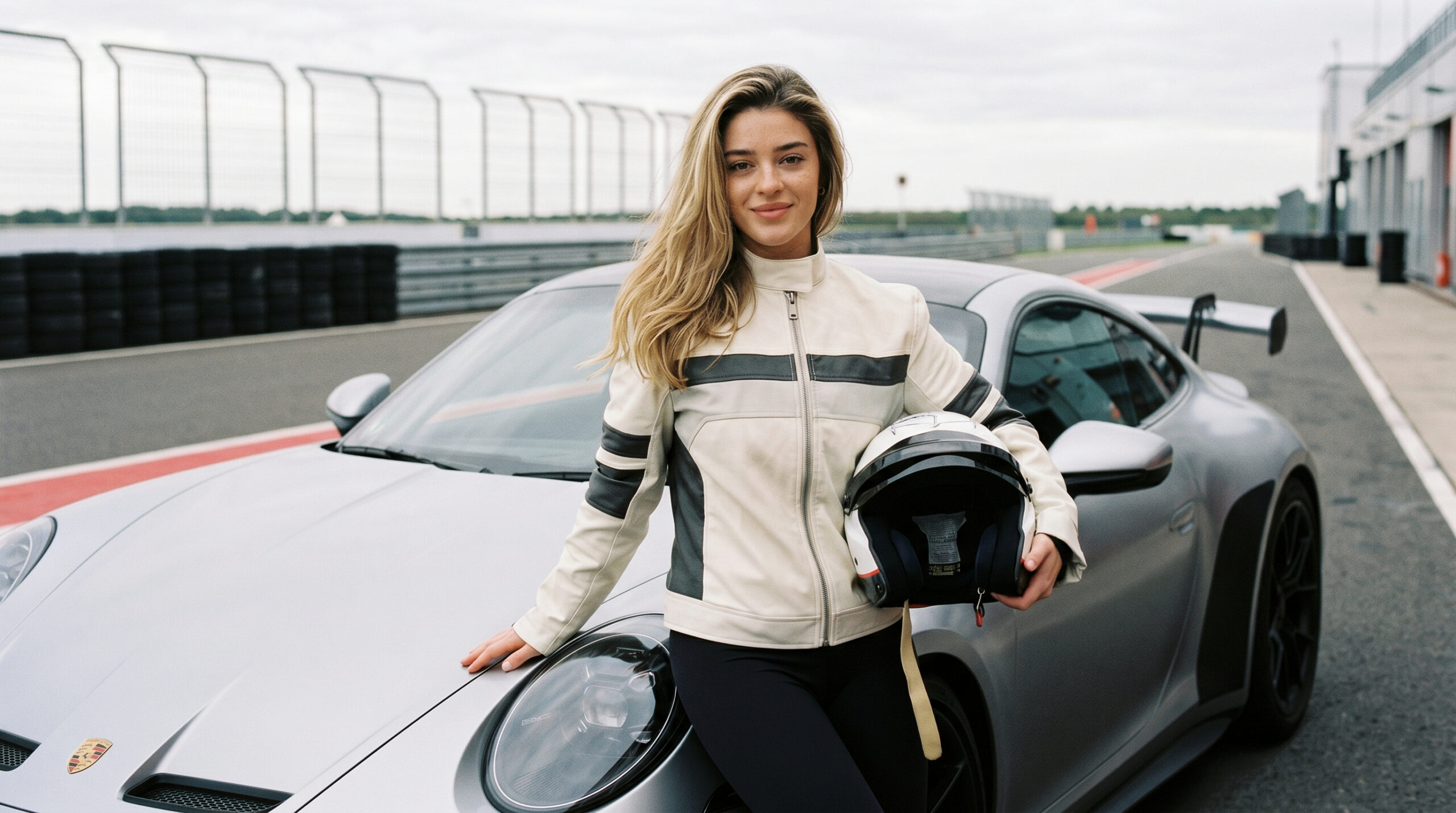
AI models advertising is changing the industry fast. Yet when AI-generated models first appeared in campaigns, the story the industry latched onto was a familiar one : replacement, robots taking jobs, brands cutting corners, creativity dying at the altar of efficiency.
That framing is wrong. More importantly, it is boring.
The real story is not about displacement. It is about liberation. For decades, structural bottlenecks have hampered campaigns, exhausted creators, and quietly embedded exploitation into fashion and advertising. Now, finally, the tools exist to fix that.
Synthetic models and AI-generated characters are not here to erase the human element from advertising. Instead, they are here to fix everything that was broken about how we produced creative in the first place.
“What if the future of the creator economy is not replacement, but augmentation and liberation?”
The Creator Economy’s Dirty Little Secrets
The creator economy is worth over $250 billion globally and growing fast. However, behind the glossy feeds and perfectly produced campaigns, there are structural problems that brands, agencies, and creators have quietly accepted as the cost of doing business.
The Availability Problem
Coordinating a single model shoot requires weeks of logistics. Agencies must navigate management contracts, exclusivity windows, scheduling conflicts, location permits, and weather risks.
Consider this: a model booked for a launch campaign might be unavailable just three weeks later for your follow-up content. As a result, your brand identity becomes hostage to a third party’s calendar.
For fast-moving brands in e-commerce, DTC, and digital advertising, this is not a minor inconvenience. It is a fundamental constraint on how quickly and consistently you can show up.
The Consistency Problem
Consistency is the backbone of brand identity. Campaigns need the same look, tone, and feel, platform after platform, season after season. However, human talent changes by nature. People age, trends shift, and a model who defined your aesthetic three years ago may no longer fit where your visual identity is heading.
Synthetic characters, by contrast, do not age unless you want them to. Their style, expression, and posture stay locked to your brand brief. Furthermore, every iteration of a synthetic character is perfectly on-brand, not approximately, but precisely.
The Burnout Problem
The human cost of the creator economy is rarely discussed in strategy decks. Models, creators, and brand ambassadors are frequently overworked and undervalued. Many face conditions (physical and psychological) that would not be tolerated in most industries.
Extreme diet pressures, exhausting travel schedules, and the anxiety of being permanently “one campaign away” from irrelevance are all common. Moreover, intellectual property rights over their own likeness are often unclear in the contracts they sign.
This is not a fringe issue. It is systemic. While industry reform moves slowly, AI offers a parallel path: reduce the pressure by reducing the demand on any single human to carry the creative weight.
The Licensing Drama
Usage rights, exclusivity clauses, and geographic restrictions have made creative legal agreements deeply complex. A brand repurposing a campaign asset from Instagram to an OOH billboard in another country may face an entirely new rights negotiation.
In fact, brands have paid six figures in re-licensing fees for content they believed they already owned. AI-generated models, however, live inside your asset library. The rights conversation is over before it begins.
What AI Models Advertising Actually Enables

The case for AI models in advertising is not purely a cost argument. The more compelling case is creative possibility. Here is what becomes available:
- Infinite iterations at zero marginal cost. Want your product shown across fifteen character types, eight lighting scenarios, and four cultural contexts? Done. No extra shoot days, no re-negotiated rates.
- Always-on content production. A synthetic brand character can appear in content every day: product launches, seasonal campaigns, ad variants, A/B test assets. The output velocity that was once impossible becomes your baseline.
- Perfect brand alignment. Every pixel of a synthetic character’s appearance is intentional. Skin tone, body type, styling, expression, and environment are all engineered to serve the brief, not approximated.
- Cross-market adaptability. A single base character can be adapted for regional markets or demographic targeting without re-booking talent or re-shooting a frame.
“Synthetic characters are infinitely stable brand assets. They do not age, drift, or reschedule.”
The Ethical Case Nobody Is Making Loudly Enough
Here is the uncomfortable truth that gets lost in the AI-vs-human debate: the traditional advertising model has never been especially ethical toward the humans at its centre.
Models have had their images used in markets they never agreed to. Contracts have transferred likeness rights in ways talent did not fully understand. Digital alteration has pushed them toward standards of perfection they themselves do not meet. Fair compensation for the downstream value their faces created has rarely followed.
AI models do not experience any of that. Consequently, removing human exploitation from the production chain is not a loss. It is a gain.
This is not an argument against human creators. Rather, it is an argument for using AI to handle the mechanical, repetitive, and ethically fraught parts of advertising, so that human creativity can focus on what genuinely requires it.
Brands Already Leading This Shift
The corporate world is not waiting for permission. Virtual influencers like Lil Miquela (3M+ Instagram followers), Noonoouri, and Imma have shown that audiences do not just accept AI characters. They engage with them as enthusiastically as with human creators. Brands including Samsung, BMW, Valentino, and Calvin Klein have all partnered with synthetic personas.
Meanwhile, the luxury sector, historically the most conservative in advertising, has embraced AI-generated imagery for runway presentations and editorial shoots. When fashion houses with centuries of tradition start moving here, the question is no longer whether this becomes mainstream. The question is how fast.
What This Means for Human Creators
The augmentation argument is critical. AI models in advertising do not remove the need for creative direction, brand strategy, or storytelling. Instead, they remove the logistics scaffolding that surrounded those things.
For example, a creative director who previously spent 60% of their time managing shoots and chasing availability can now direct that energy toward strategy and narrative, the work AI genuinely cannot replicate.
Human creators who adapt will find their reach expanded, not contracted. Those who learn to direct AI characters with the same intention they would bring to directing human talent will produce more, move faster, and build better brands.
“AI handles the logistics. Human creativity handles the meaning.”
The Bottom Line
A campaign without human models is not a compromise. It is a creative and ethical upgrade.
It means more consistent brand expression, greater content velocity, and zero licensing headaches. Furthermore, it means a production chain that no longer relies on grinding human beings through an industry that has historically undervalued them.
AI models advertising is already a standard tool in the advertiser’s toolkit. Therefore, the question is not whether to use it. The question is whether your brand is using it with intention, or watching forward-thinking competitors define the new standard for you.
At Rivoq Labs, we build exactly this: cinematic AI content that moves at the speed your brand needs. No studio. No scheduling. No compromise on quality.
The future of brand content is here. The only question left is whether you are in it.